
Neural Dynamics of
Emotion & Memory
How are emotions
represented by the brain?
How do we remember
emotional experiences?
How can we harness the answers
to these questions to improve
mental health?
To tackle these questions, the lab uses a complementary set of tools, including recording ongoing neuronal activity in freely behaving animals, manipulating the activity of discrete cell populations and molecular pathways to isolate their function, and circuit mapping technologies to localize affected brain pathways. These techniques are combined with carefully designed behavioral assays to connect brain activity with behavior.
We are a collaborative, diverse, and interdisciplinary group of scientists that believe that the greatest scientific insights emerge from supporting each individual’s unique strengths.
Approach
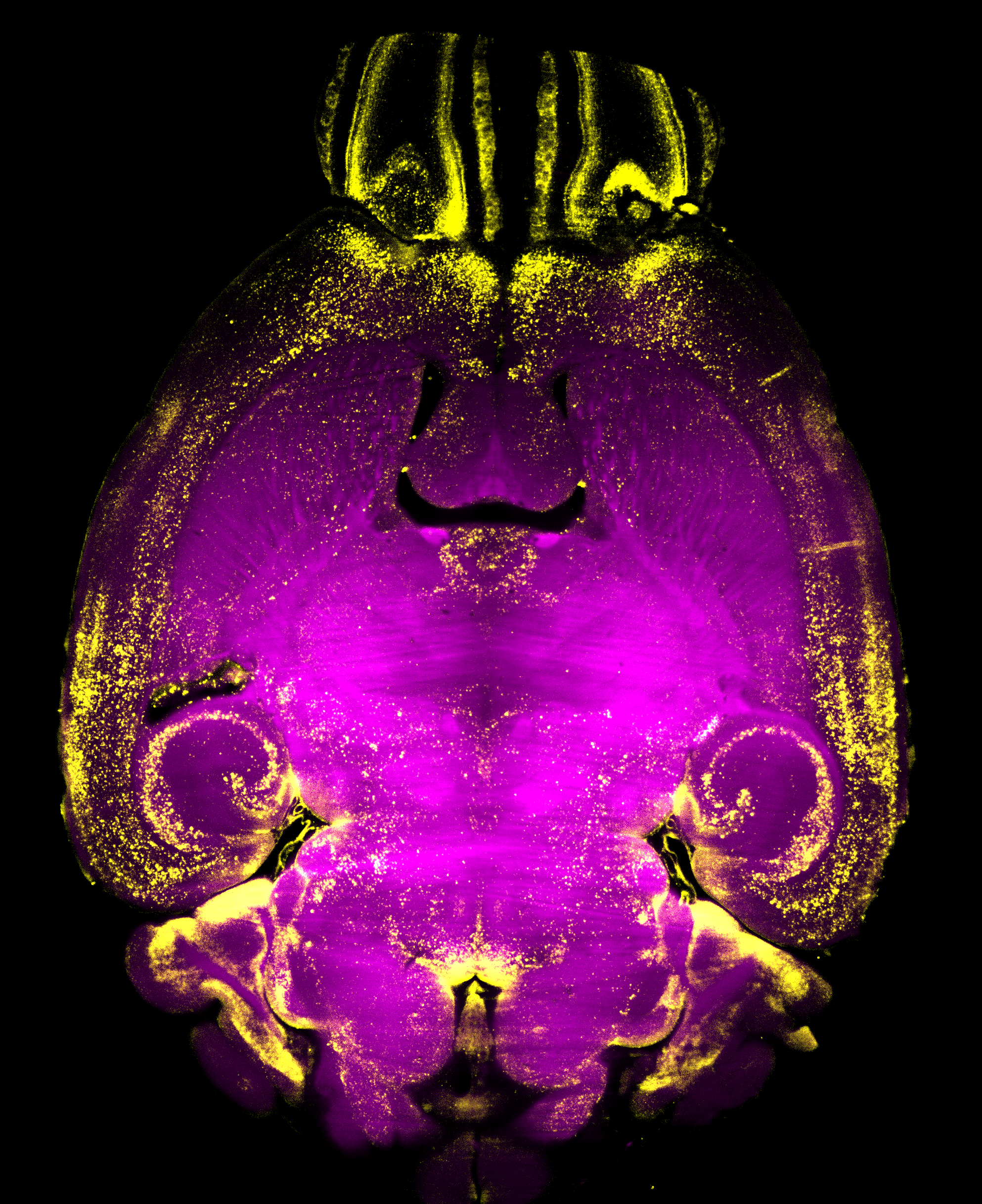
Circuit Mapping
To map circuits involved in emotion and memory, the lab employs viral, genetic, and imaging technologies.
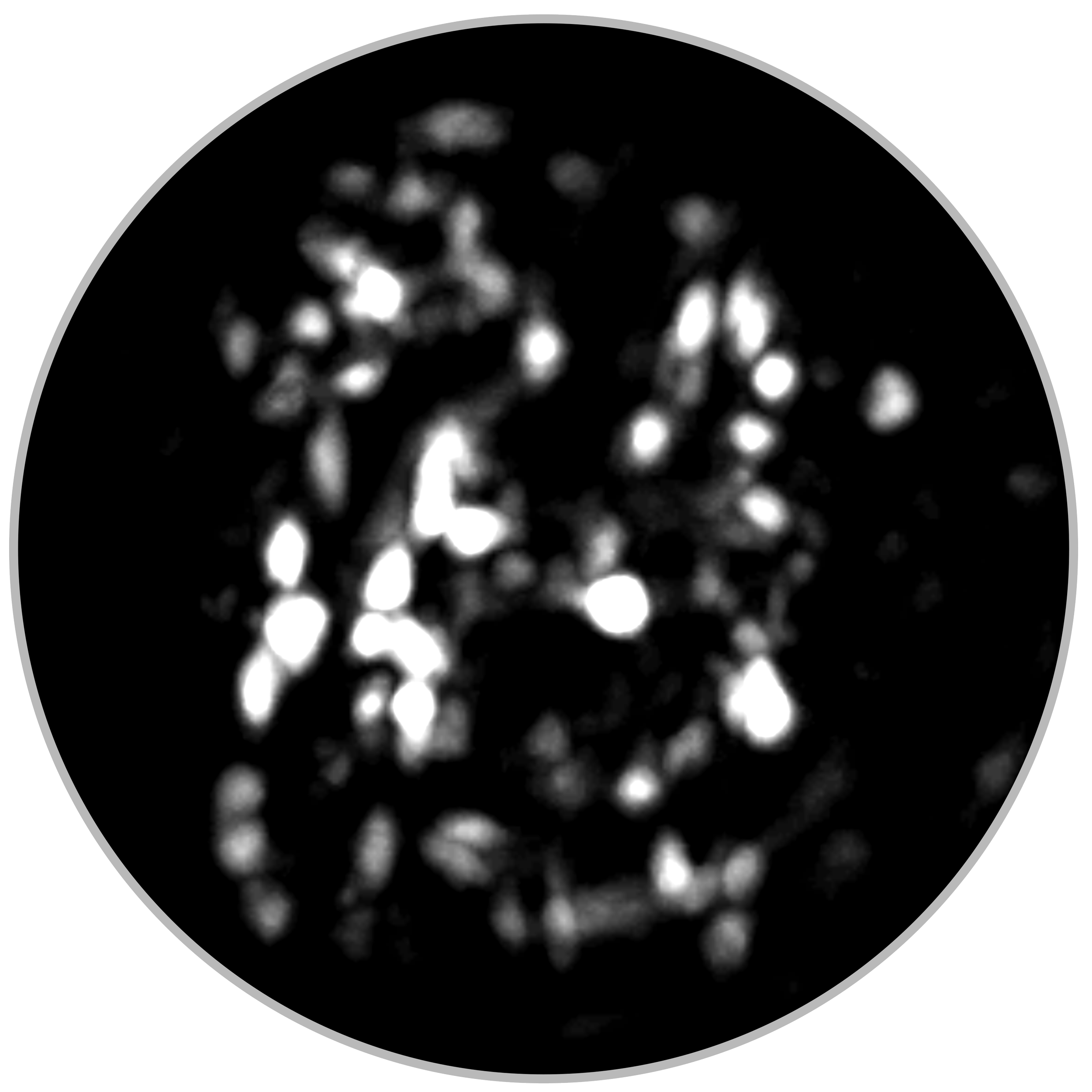
Neural Recording
To unravel how neural circuits process and store memories for emotional experiences, the lab records ongoing neural activity in behaving animals.
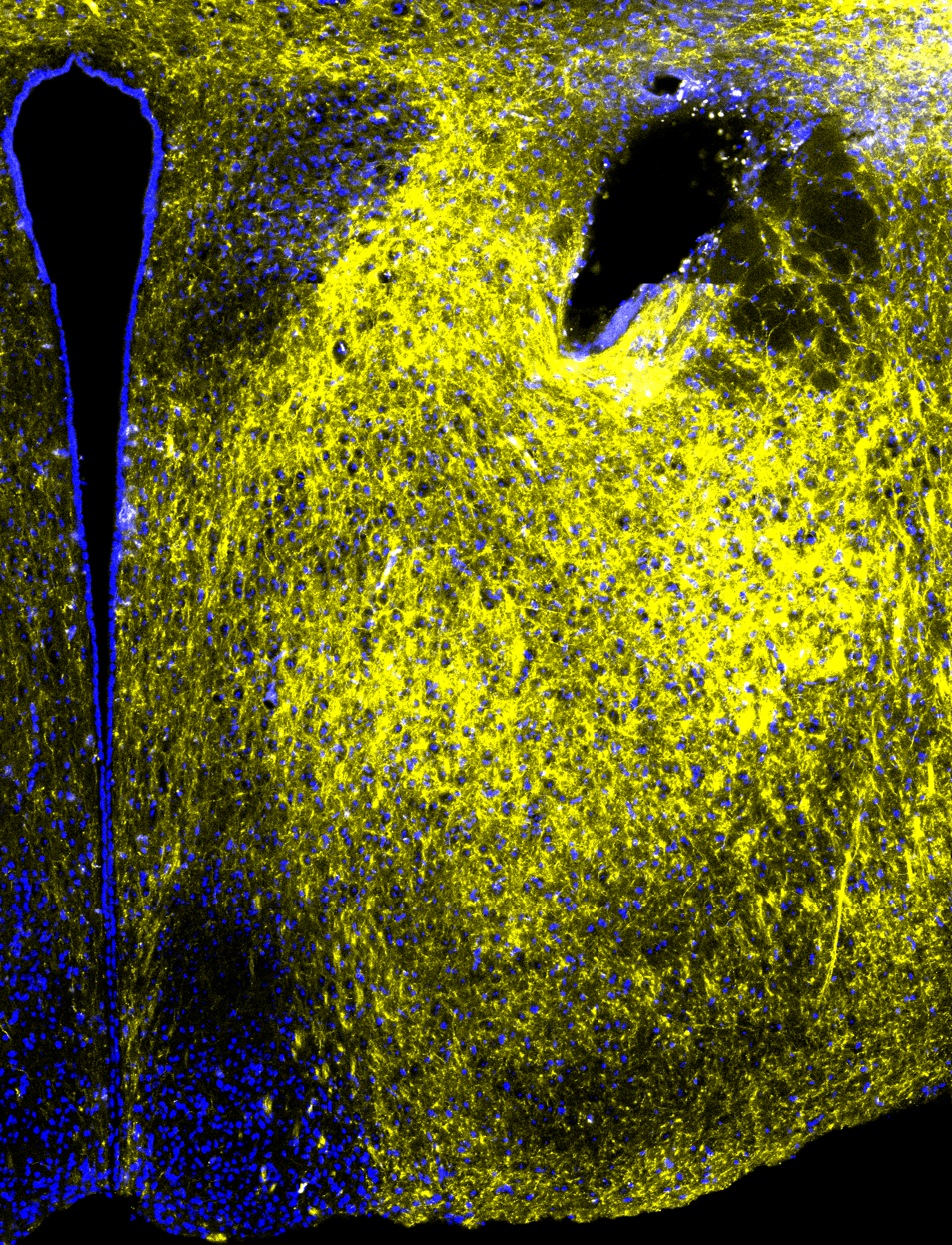
Circuit Manipulation
To test the causal contribution of circuits to behavior, we leverage cell-type and circuit-specific strategies to manipulate neural circuits and molecular pathways.

Behavior
To link brain activity with behavior, we combine the above strategies with behavioral tests designed to isolate specific psychological processes.
Team

Zach’s primary interests are in the biological bases of emotion, motivation, and memory - and in particular, how these processes contribute to mental health conditions. Zach obtained his bachelor’s and doctoral degrees from UCLA. For his doctoral studies with Michael Fanselow, he examined the lasting impacts of opioids on stress circuitry and fear learning. Zach then went on to conduct a postdoctoral fellowship with Denise Cai at the Icahn School of Medicine at Mount Sinai, where he combined his passions for studying stress and memory with optical tools for imaging and manipulating neural circuits. In addition to his contributions to our understanding of stress and reward circuitry, Zach has contributed to several open-source software and hardware projects.
Outside of lab, Zach loves going on food adventures with his wife Saritha, riding his bike and skateboard, hanging at home with his two cats, and drinking lots of coffee.
Assistant Professor
Department of Psychology
Djavad Mowafaghian Centre for Brain Health
Zach Pennington, PhD
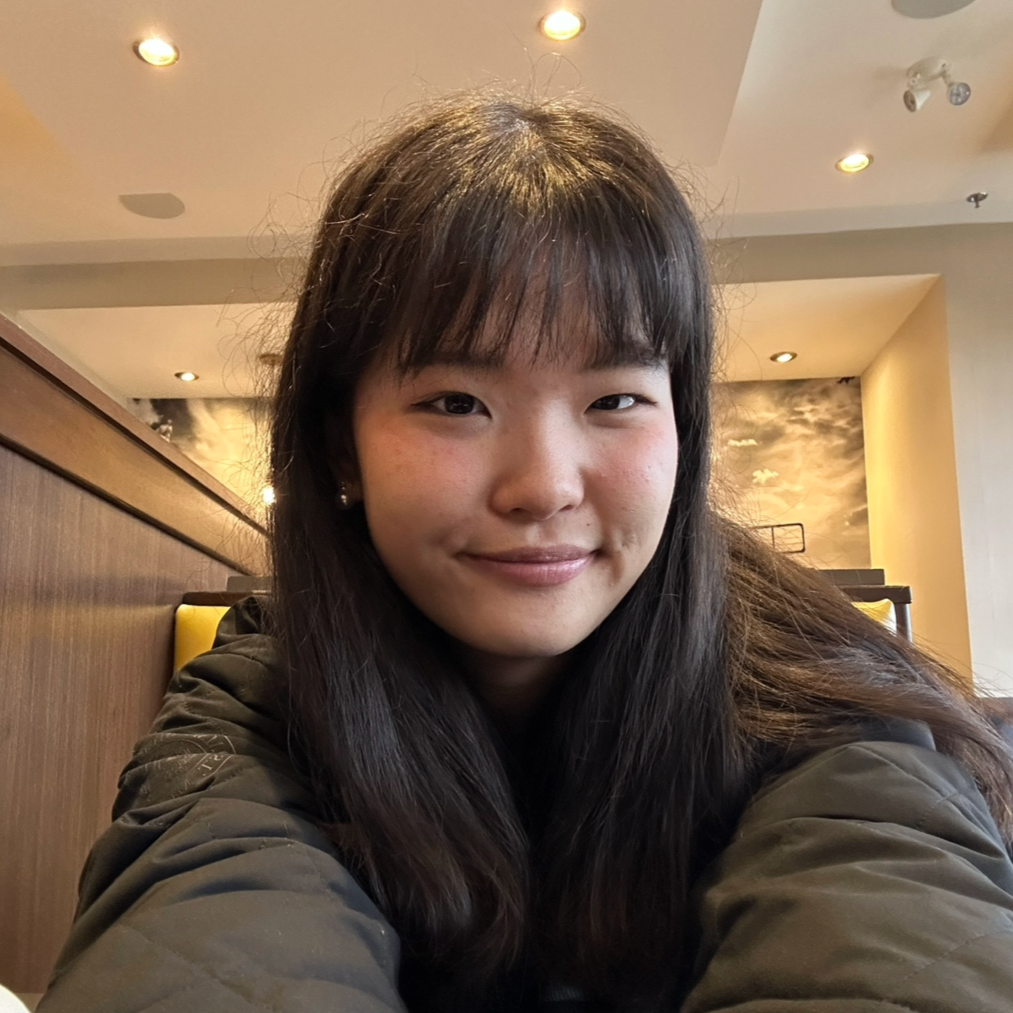
Siyue Hu
Graduate Student

Kiara Sun
Graduate Student
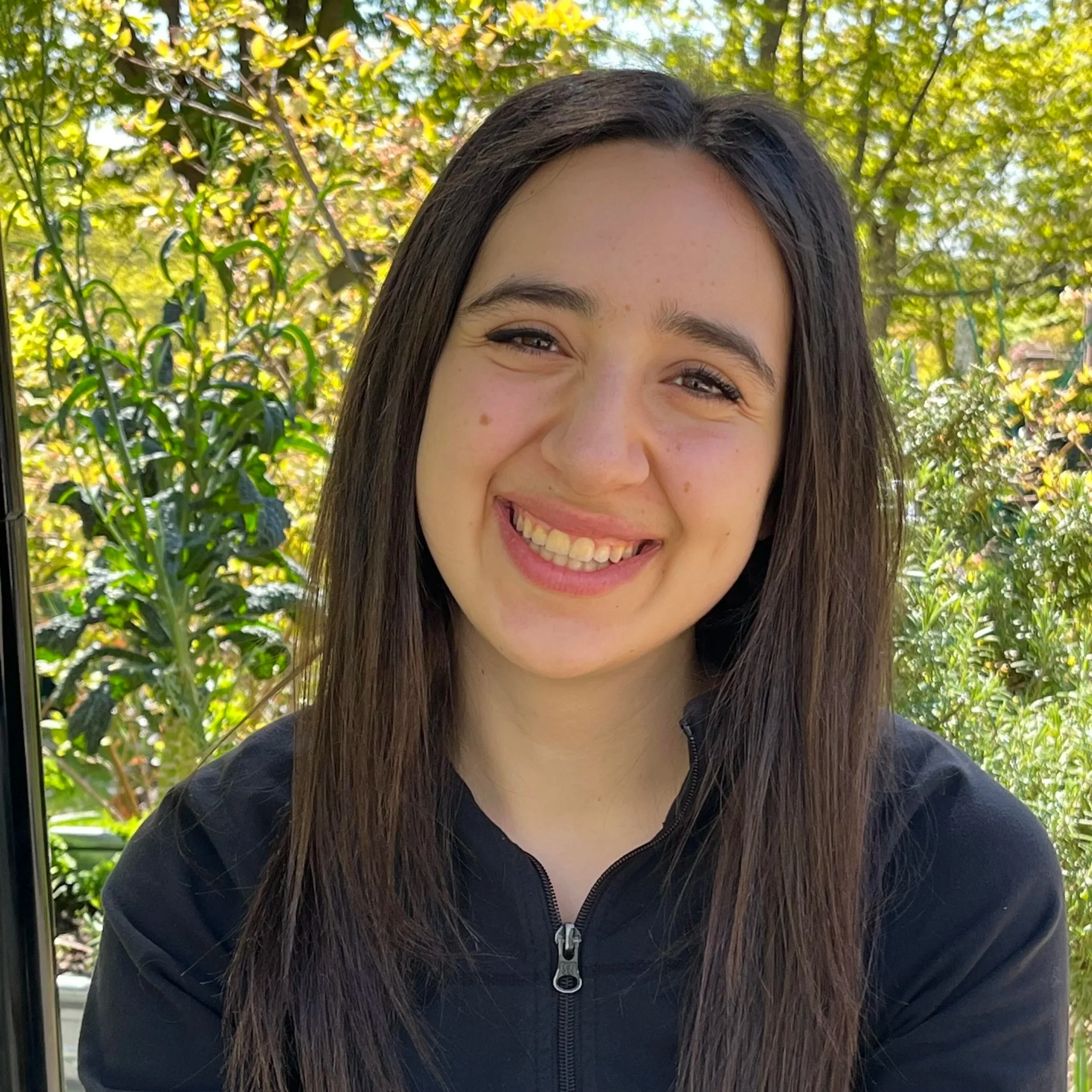
Lena Khadra
Undergraduate Student
Publications
An amygdala to anterior hypothalamic circuit gates stress sensitivity
Pennington ZT, LaBanca AR, Mahmud AN, Abdel-Raheim SD, Bacon ME, Sompolpong P, Ko B, Baggetta AM, Zaki Y, Feng Y, Dong Z, Smith ACW, Shuman T, Kenny PJ, Cai DJ
Nature, Accepted in Principle.
Grooming as a window into the post-stress recuperative process
Mahmud AN, PierreLouis AK, Yamaguchi N, Cai DJ, Pennington ZT
BioRxiv, 2026
PDF
Simultaneous dual-color calcium imaging in freely-behaving mice
Dong Z, Feng Y, Diego K, Baggetta AM, Sweis BM, Pennington ZT, Lamsifer SI, Zaki Y, Sangiuliano F, Philipsberg PA, Morales-Rodriguez D, Kircher D, Slesinger P, Shuman T, Aharoni D, Cai DJ
Science Advances, 2025
PDF
Quick to connect: a comparison of virtual and in-person speed mentoring for emergency medicine medical students and residents by faculty at a national conference
Sun WW, Goldflam K, Pennington ZT, Derks L, Coates WC, Nashu MA, Hossin T, Clark A, Tsyrulnik A, Linden JA
International Journal of Emergency Medicine, 2025
PDF
Distinct changes to hippocampal and medial entorhinal circuits emerge across the progression of cognitive deficits in epilepsy
Feng Y, Diego KS, Dong Z, Christenson Wick Z, Page-Harley L, Page-Harley, V, Schnipper J, Lamsifer SI, Pennington ZT, Vetere LM, Philipsberg PA, Soler I, Jurkowski A, Rosado CJ, Khan NN, Cai DJ, Shuman T
Cell Reports, 2025
PDF
Dissociable contributions of the amygdala and ventral hippocampus to stress-induced changes in defensive behavior
Pennington ZT, LaBanca AR, Sompolpong P, Abdel-Raheim SD, Ko B, Christenson Wick Z, Feng Y, Dong Z, Francisco TR, Bacon ME, Chen L, Fulton SL, Maze I, Shuman T, Cai DJ
Cell Reports, 2024
PDF
Offline ensemble co-reactivation links memories across days
Zaki Y, Pennington ZT, Morales-Rodriguez D, Bacon ME, Ko B, Francisco TR, LaBanca AR, Sompolpong P, Dong Z, Lamsifer S, Chen HT, Carrillo Segura S, Christenson Wick Z, Silva AJ, Rajan K, van der Meer M, Fenton A, Shuman T, Cai DJ
Nature, 2024
PDF
Neuron-specific glycine metabolism links transfer RNA epitranscriptomic regulation to complex behaviors
Blaze J, Evans VD, Pliego JA, Unichenko P, Javidfar B, Heissel S, Alwaseem H, Pennington Z, Cai D, Molina H, Henneberger C, Akbarian S
Biological Psychiatry Global Open Science, 2024
PDF
Minian, an open-source miniscope analysis pipeline
Dong Z, Mau W, Feng Y, Pennington ZT, Chen L, Zaki Y, Rajan K, Shuman T, Aharoni D, Cai DJ
eLife, 2022
PDF
ezTrack - A step-by-step guide to behavior tracking
Pennington ZT, Diego KS, Francisco TR, LaBanca AR, Lamsifer SI, Liobimova O, Shuman T, Cai DJ
Current Protocols, 2021
PDF
Propranolol inhibits reactivation of fear memory
Pennington ZT, Cai DJ
Biological Psychiatry, 2021
PDF
Neuronal Nsun2 deficiency produces tRNA epitranscriptomic alterations and proteomic shifts impacting synaptic signaling and behavior
Blaze J, Navickas A, Phillips HL, Heissel S, Plaza-Jennings A, Miglani S, Asgharian H, Foo M, Katanski CD, Watkins CP, Pennington ZT, Javidfar B, Espeso-Gil S, Rostandy B, Alwaseem H, Hahn CG, Molina H, Cai DJ, Pan T, Yao WD, Goodarzi H, Haghighi F, Akbarian S
Nature Communications, 2021
PDF
The medial orbitofrontal cortex-basolateral amygdala circuit regulates the influence of reward cues on adaptive behavior and choice
Lichtenberg NT, Sepe-Forrest L, Pennington ZT, Lamparelli AC, Greenfield VY, Wassum KM
Journal of Neuroscience, 2021
PDF
A basomedial amygdala to intercalated cells microcircuit expressing PACAP and its receptor PAC1 regulates contextual fear
Rajbhandari AK, Octeau CJ, Gonzalez S, Pennington ZT, Mohamed F, Trott J, Chavez J, Ngyuen E, Keces N, Hong WZ, Neve RL, Waschek J, Khakh BS, Fanselow MS
Journal of Neuroscience, 2021
PDF
Breakdown of spatial coding and interneuron synchronization in epileptic mice
Shuman T, Aharoni D, Cai DJ, Lee CR, Chavlis S, Page-Harley L, Vetere LM, Feng Y, Yang CY, Mollinedo-Gajate I, Chen L, Pennington ZT, Taxidis J, Flores SE, Cheng K, Javaherian M, Kaba CC, Rao N, La-Vu M, Pandi I, Shtrahman M, Bakhurin KI, Masmanidis SC, Khakh BS, Poirazi P, Silva AJ, Golshani P
Nature Neuroscience, 2020
PDF
Chronic opioid pretreatment potentiates the sensitization of fear learning by trauma
Pennington ZT, Trott JM, Rajbhandari AK, Li K, Walwyn WM, Evans CJ, Fanselow MS (2020)
Neuropsychopharmacology, 2020
PDF
ezTrack: An open-source video analysis pipeline for the investigation of animal behavior
Pennington ZT, Dong Z, Feng Y, Vetere LM, Page-Harley L, Shuman T, Cai DJ
Scientific Reports, 2019
PDF
A return to the psychiatric dark ages with a two-system framework for fear
Fanselow MS, Pennington ZT
Behaviour Research and Therapy, 2018
PDF
Indirect targeting of subsuperficial brain structures with transcranial magnetic stimulation reveals a promising way forward in the treatment of fear
Pennington ZT, Fanselow MS
Biological Psychiatry, 2018
PDF
The danger of LeDoux and Pine’s two-system framework for fear
Fanselow MS, Pennington ZT
American Journal of Psychiatry, 2017
PDF
Across sex and age: Learning and memory and patterns of avian hippocampal gene expression
Kosarussavadi S*, Pennington ZT*, Covell C, Blaisdell AP, Schlinger BA
Behavioral Neuroscience, 2017
PDF
The ventromedial prefrontal cortex in a model of traumatic stress: Fear inhibition or contextual processing?
Pennington ZT, Anderson AS, Fanselow MS
Learning & Memory, 2017
PDF
Basolateral amygdala to orbitofrontal cortex projections enable cue-triggered reward expectations
Lichtenberg NT, Pennington ZT, Holley SM, Greenfield VY, Cepeda C, Levine MS, Wassum KM
Journal of Neuroscience, 2017
PDF
Compromised NMDA/glutamate receptor expression in dopaminergic neurons impairs instrumental learning, but not Pavlovian goal-tracking or sign-tracking
James AS, Pennington ZT, Tran P, Jentsch JD
eNeuro, 2015
PDF
Dissecting Impulsivity and its relationship to addictions
Jentsch JD, Ashenhurst JR, Cervantes MC, Groman SM, James AS, Pennington ZT
Annals of the New York Academy of Sciences, 2014
PDF
Reward, interrupted: Inhibitory control and its relevance to addictions
Jentsch JD, Pennington ZT
Neuropharmacology, 2014
PDF
Interesting in Joining?
Individuals with backgrounds in neuroscience, psychology, or a related field are encouraged to apply. Specific skillsets or scientific experiences are not required. We are interested in recruiting individuals who are incredibly excited to learn and make important scientific discoveries, have a specific interest in the work being done in the lab, exhibit grit and determination, and who are passionate about being part of a collaborative and supportive team.
All applicants should contact Zach and provide a cover letter outlining their interests in the lab and a resume/cv. Undergraduates should also provide an unofficial copy of their transcript.
Prospective Graduate Students: The lab accepts graduate students through both the Department of Psychology and the Graduate Program in Neuroscience. Please contact Zach in advance of submitting an application to confirm whether he is currently accepting students.